The History of the Russian Toy: From Imperial Salons to American Homes
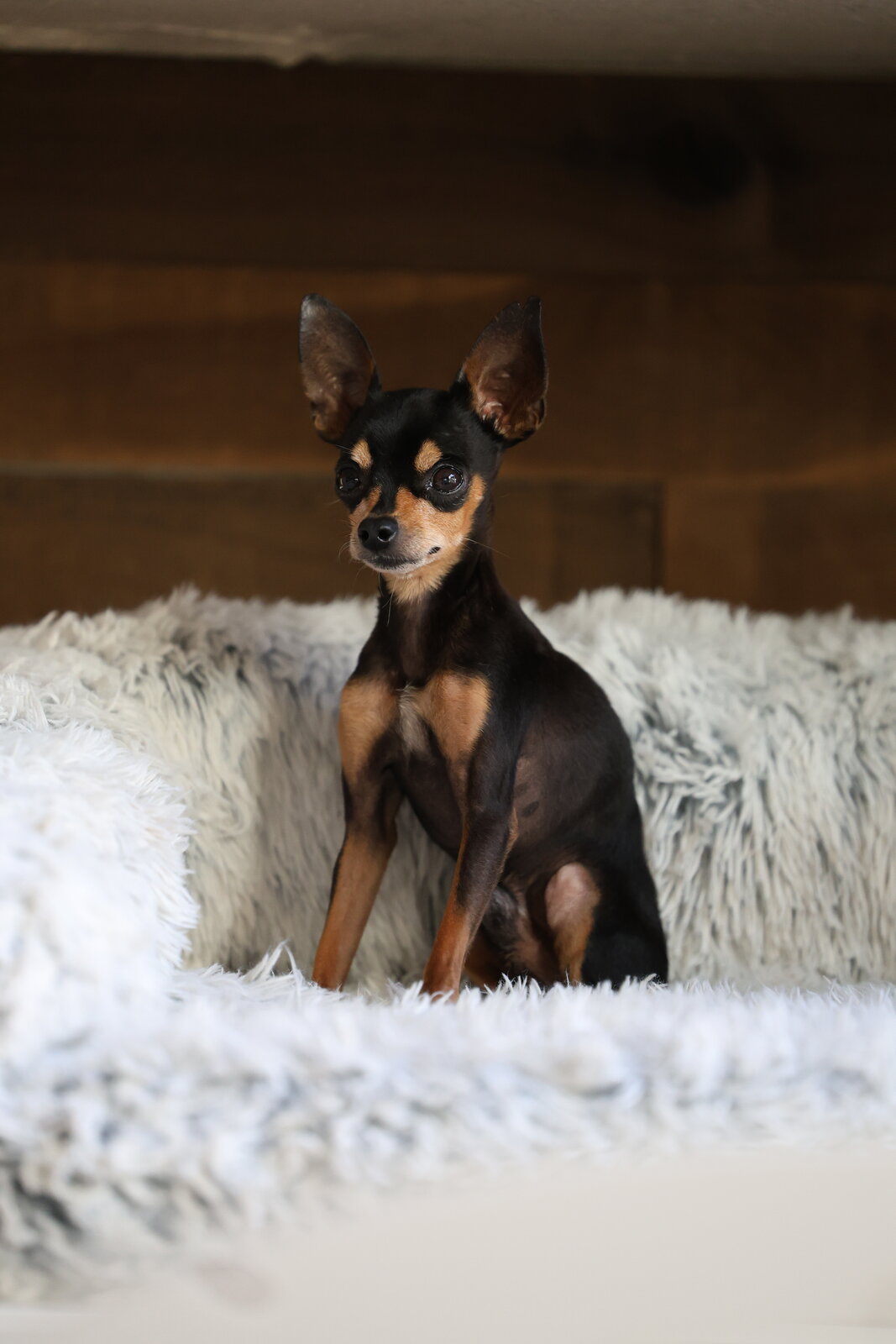
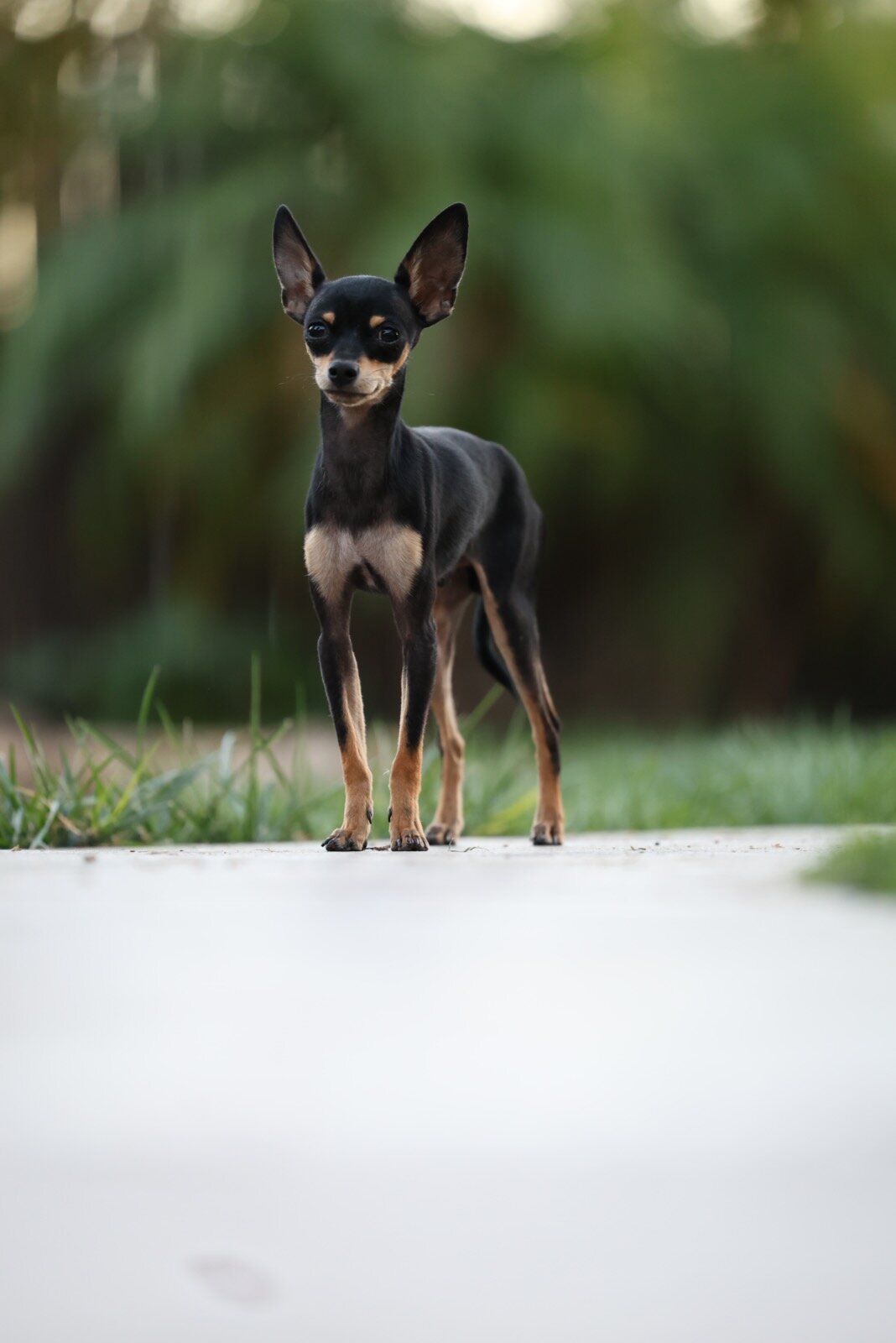
When people meet our dogs for the first time, the question is always the same: "What breed is that?" And behind that tiny, elegant silhouette hides one of the most dramatic stories in the world of dogs — a breed that was adored by aristocrats, nearly erased by history, and painstakingly brought back to life.
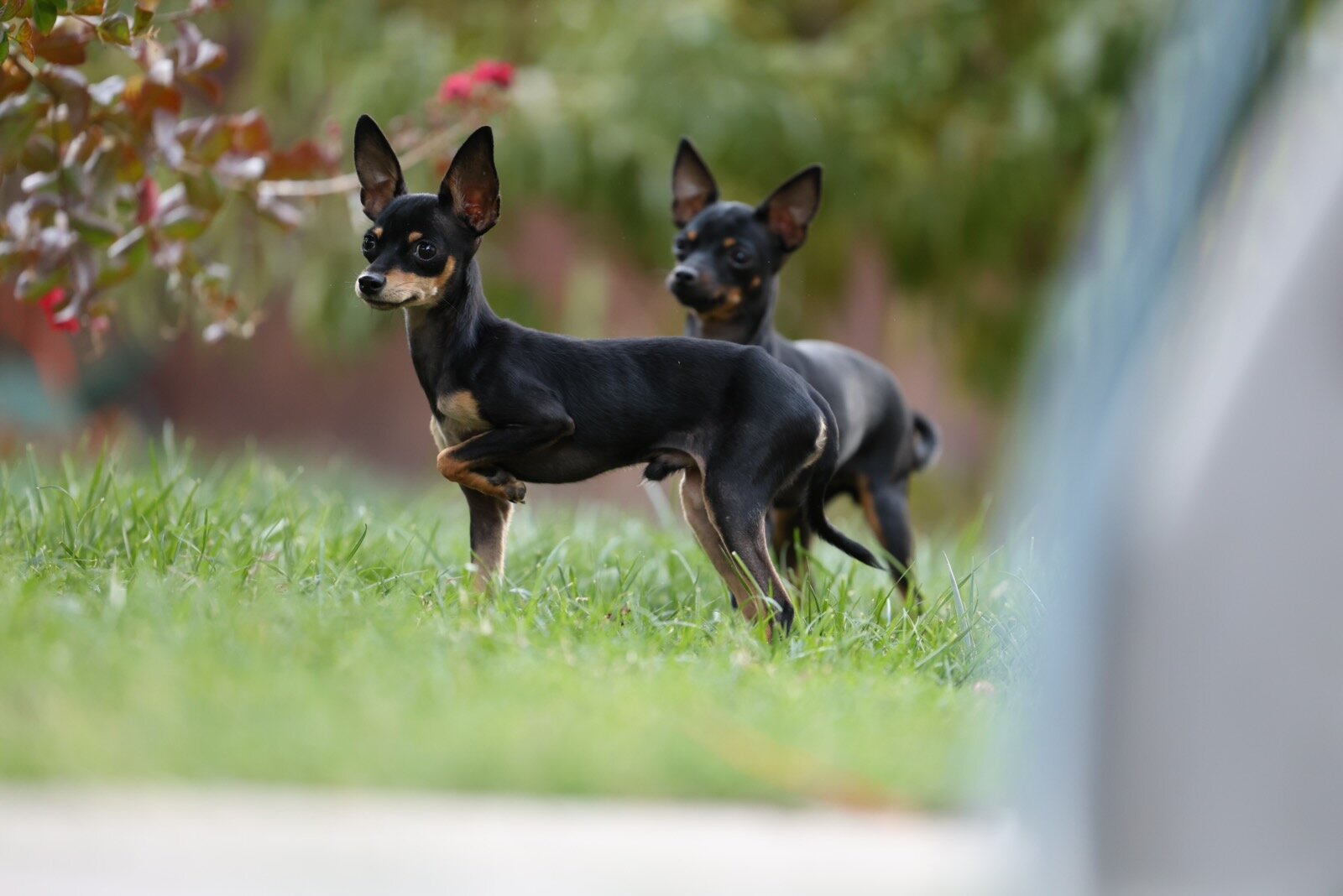
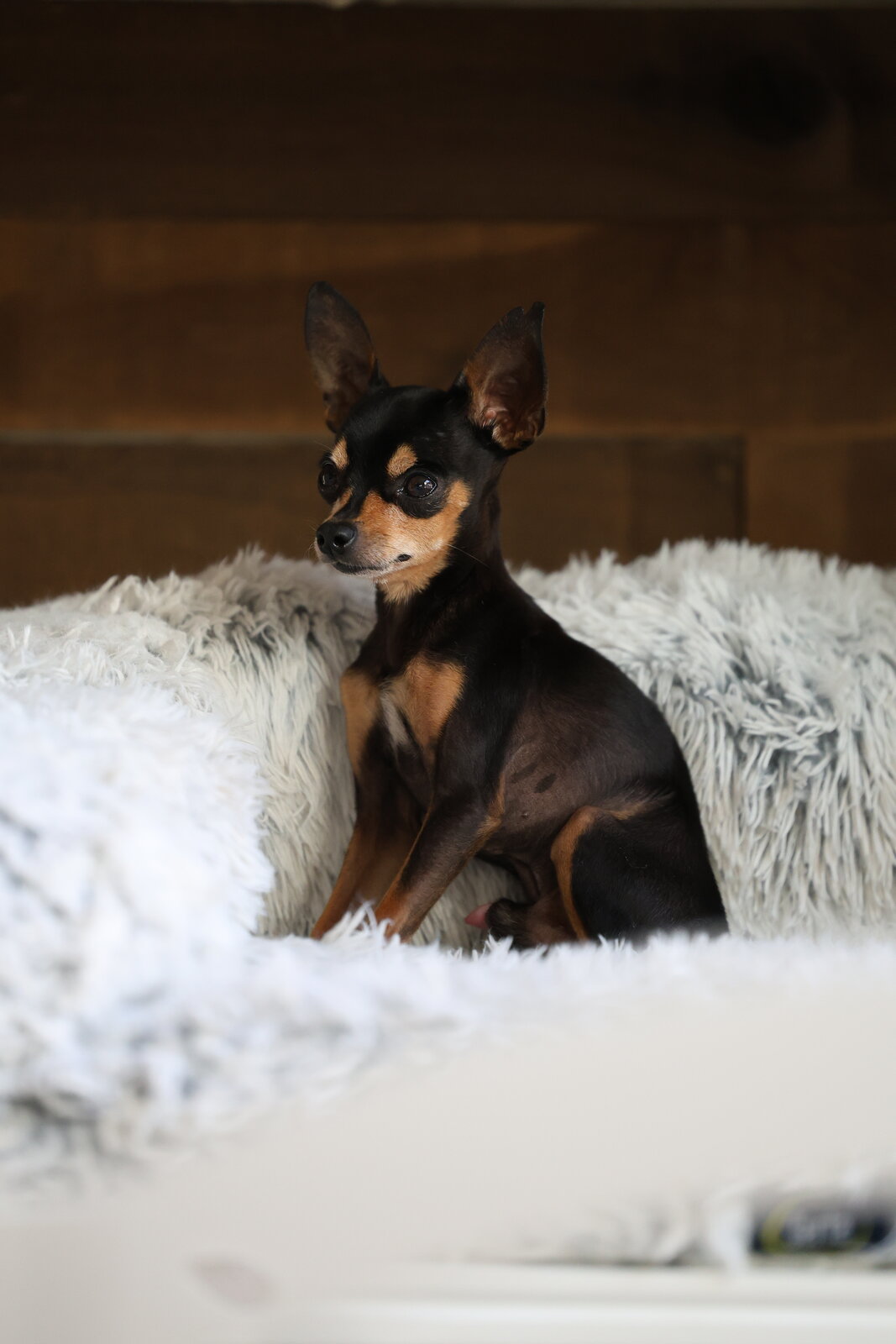
Salon Dogs of Imperial Russia
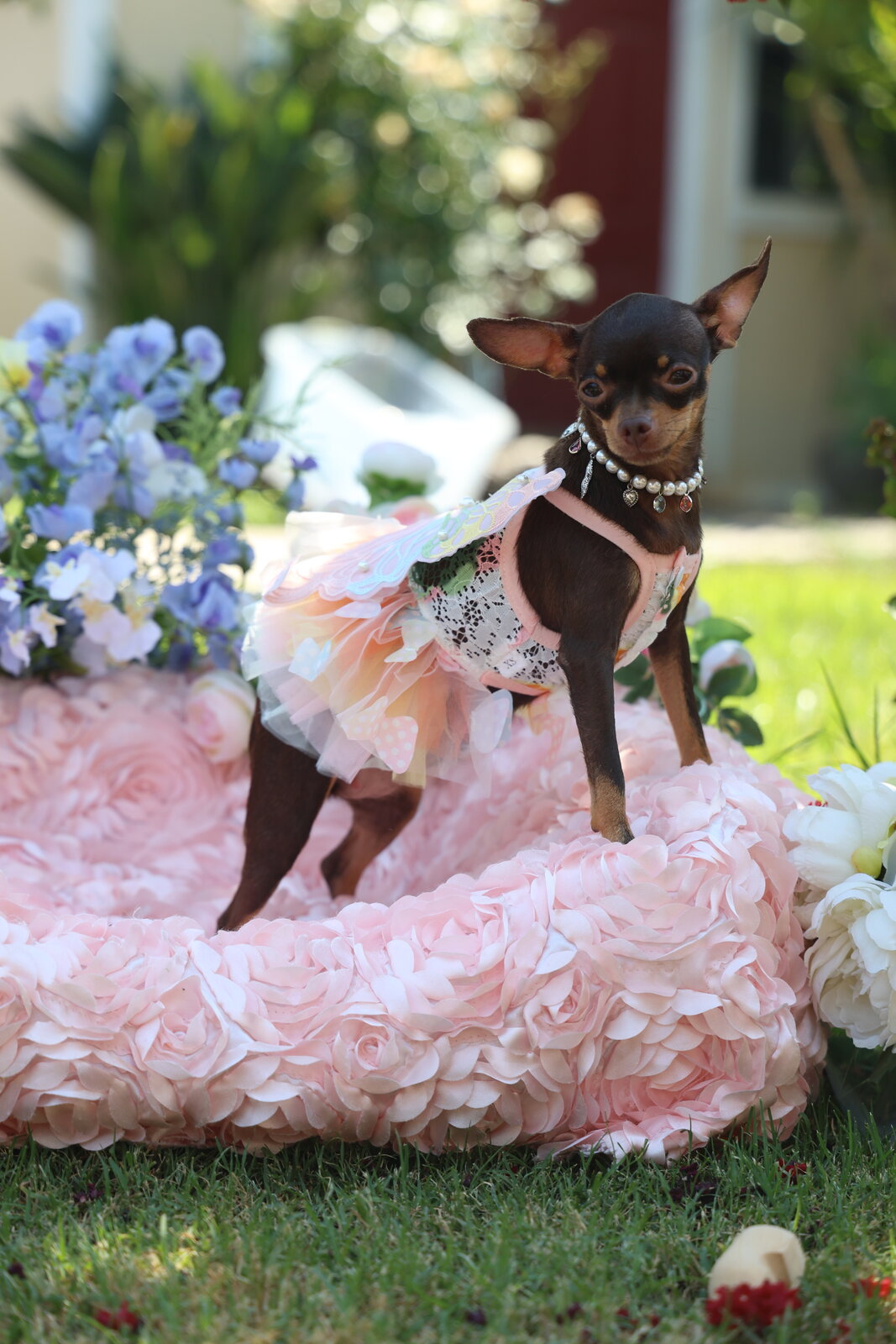
In the 18th and 19th centuries, tiny English toy terriers were the height of fashion among the Russian nobility. A miniature dog in the salon was a sign of refined taste: ladies carried them to balls and theaters, and they warmed laps in cold Petersburg mansions. These little terriers became so beloved in Russia that they gradually developed their own local type.
By the beginning of the 20th century, the toy terrier was one of the most popular small companion dogs in Russia. But its close association with the aristocracy would soon become its curse.
Revolution and Near Extinction
After the revolution of 1917, everything associated with the old aristocracy fell out of favor — including its lap dogs. Pedigree breeding of toy terriers practically stopped for decades. By the middle of the 20th century, the breed was on the edge of disappearing: only scattered little dogs remained, most without any documented pedigree.
In the 1950s, Soviet dog enthusiasts set out to restore the tiny terrier almost from scratch, working with the few small dogs they could find. Isolated from the rest of the world, they unknowingly created something new: the dogs they bred diverged from the English toy terrier and became a distinct breed with its own look and character.
One more milestone came in 1958 in Moscow, when a puppy with striking long fringes on his ears was born — the founder of the long-haired variety. To this day, the Russian Toy comes in two coats: smooth and long-haired.
World Recognition — and a New Chapter in America
For decades the breed remained virtually unknown outside the USSR. Only after the borders opened in the 1990s did the little dogs begin to travel the world. In 2006 the FCI provisionally recognized the breed under its modern name — Russkiy Toy — with full international recognition following in 2017.
America is the newest chapter. In 2022 the AKC admitted the Russian Toy to its Miscellaneous Class — the official runway toward full recognition. The breed is still rare here: genuine, well-bred Russian Toys are few, and even many veterinarians see one for the first time in their careers.
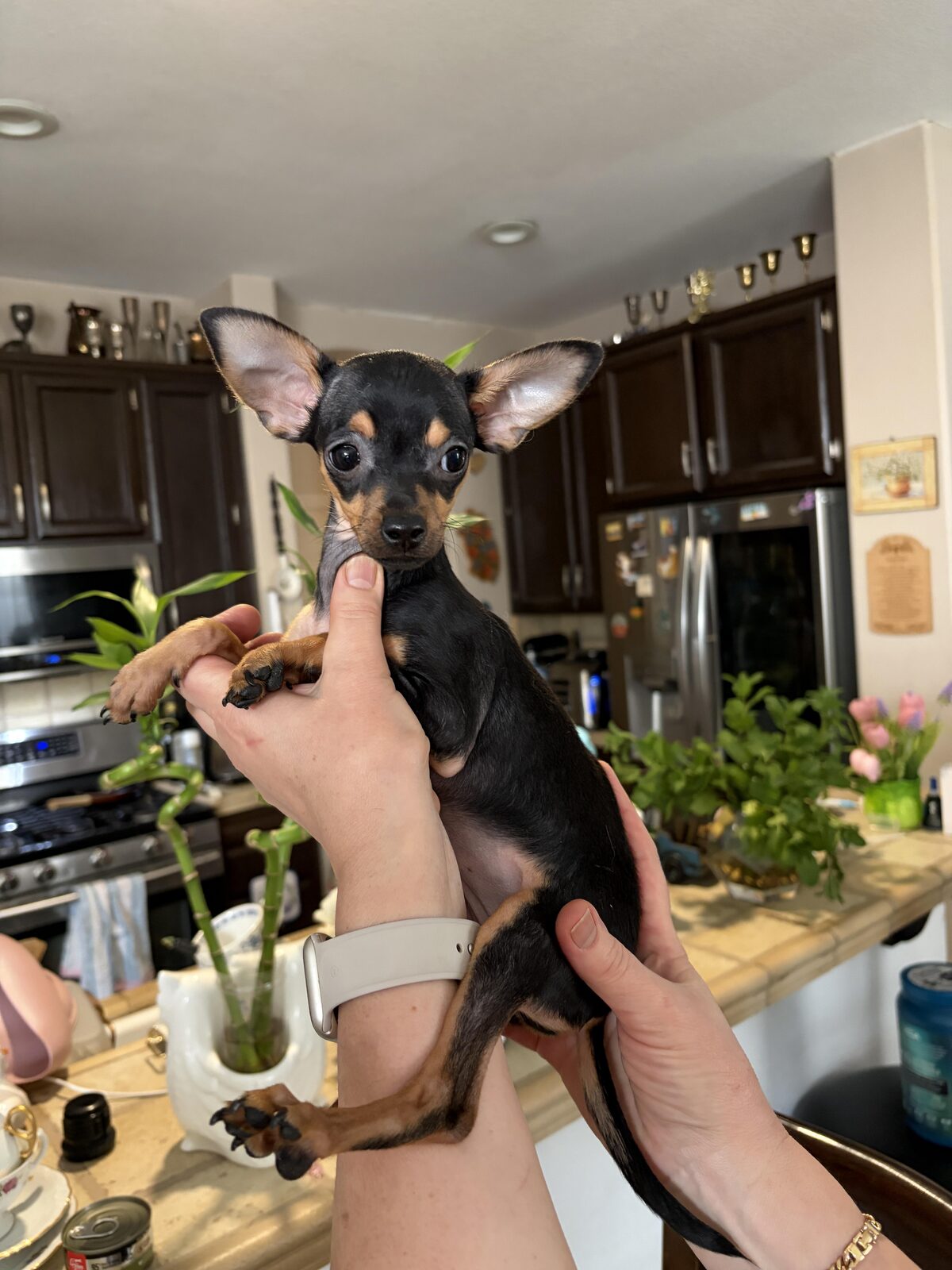
That is exactly why we fell in love with this journey. Our own dogs carry European champion bloodlines, and every puppy that leaves our home carries three centuries of history in a four-pound body. We believe the best pages of the Russian Toy story are being written right now — right here.