Bringing Your Russian Toy Puppy Home: The First Days, Done Right
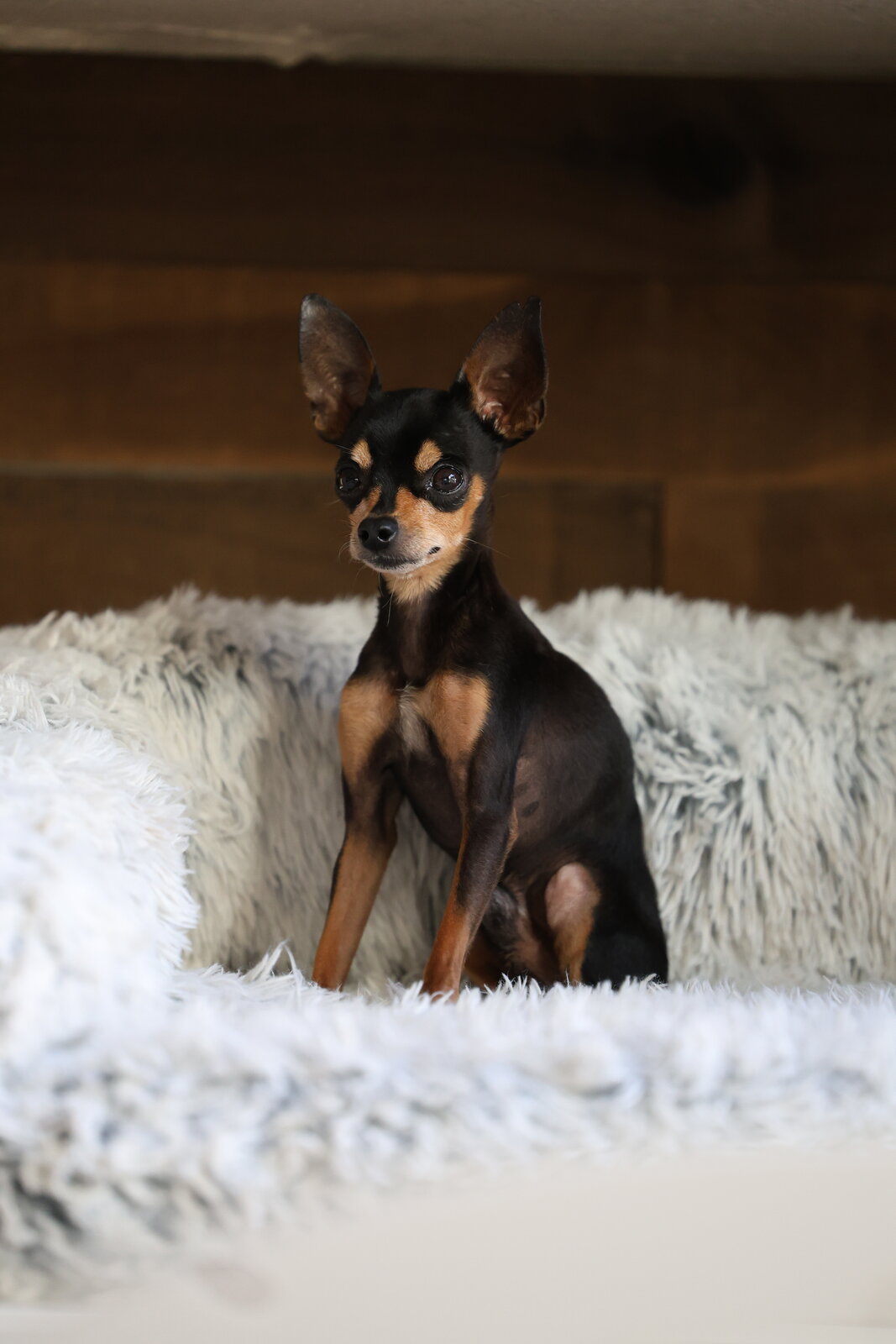
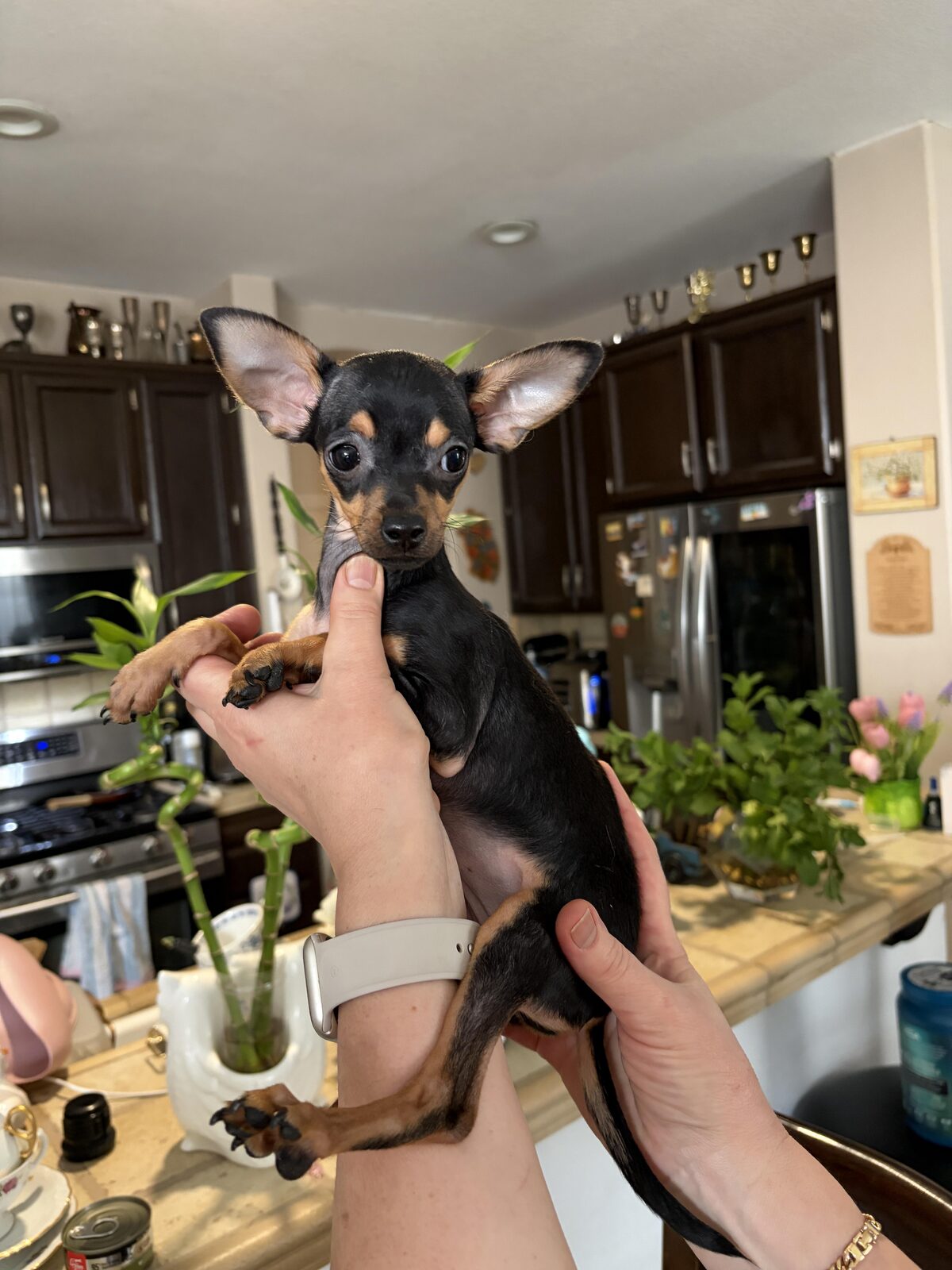
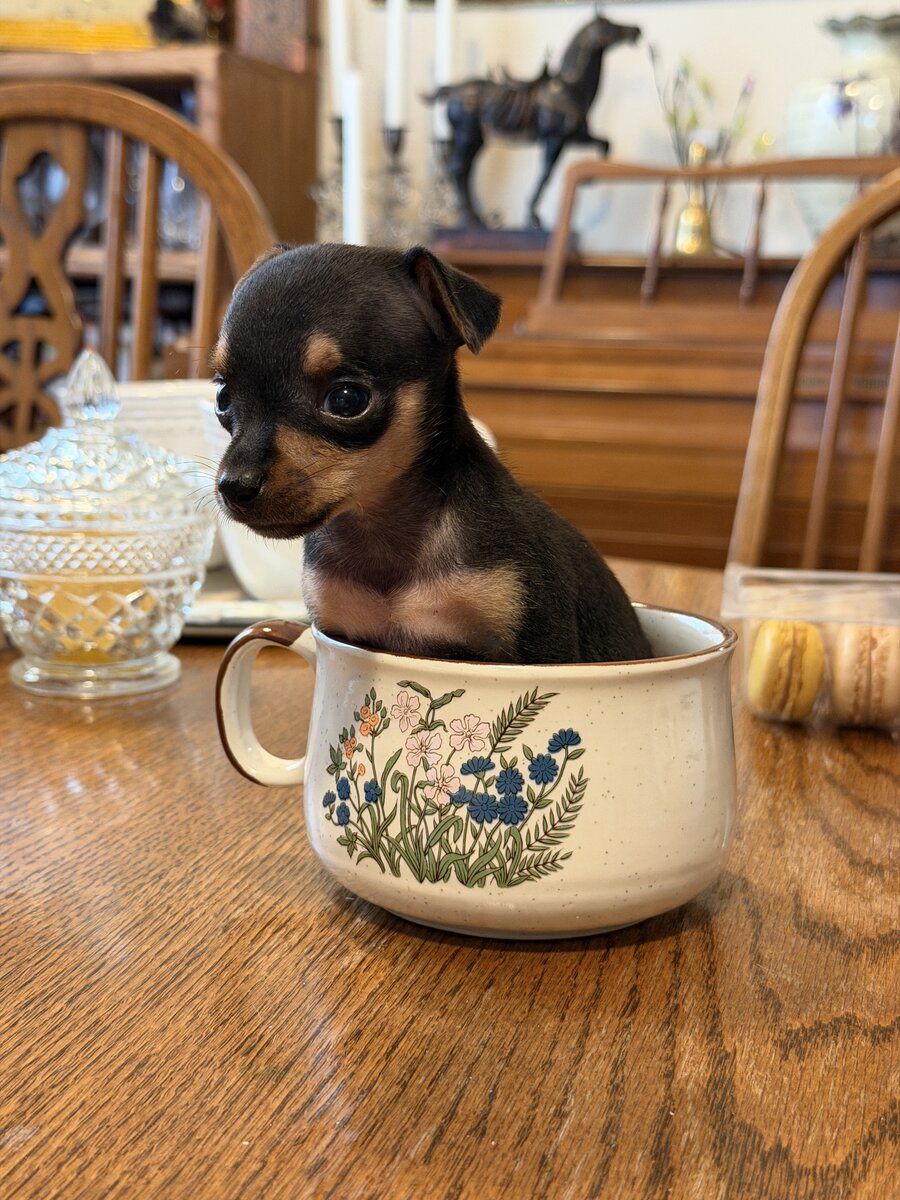
Every family that takes one of our puppies home gets this talk in person — but it is worth writing down. A Russian Toy puppy weighs about as much as a grapefruit. That changes the rules: things a Labrador puppy would shrug off can genuinely hurt a toy breed baby. The good news: with a few simple habits, those first days become calm, safe and joyful.
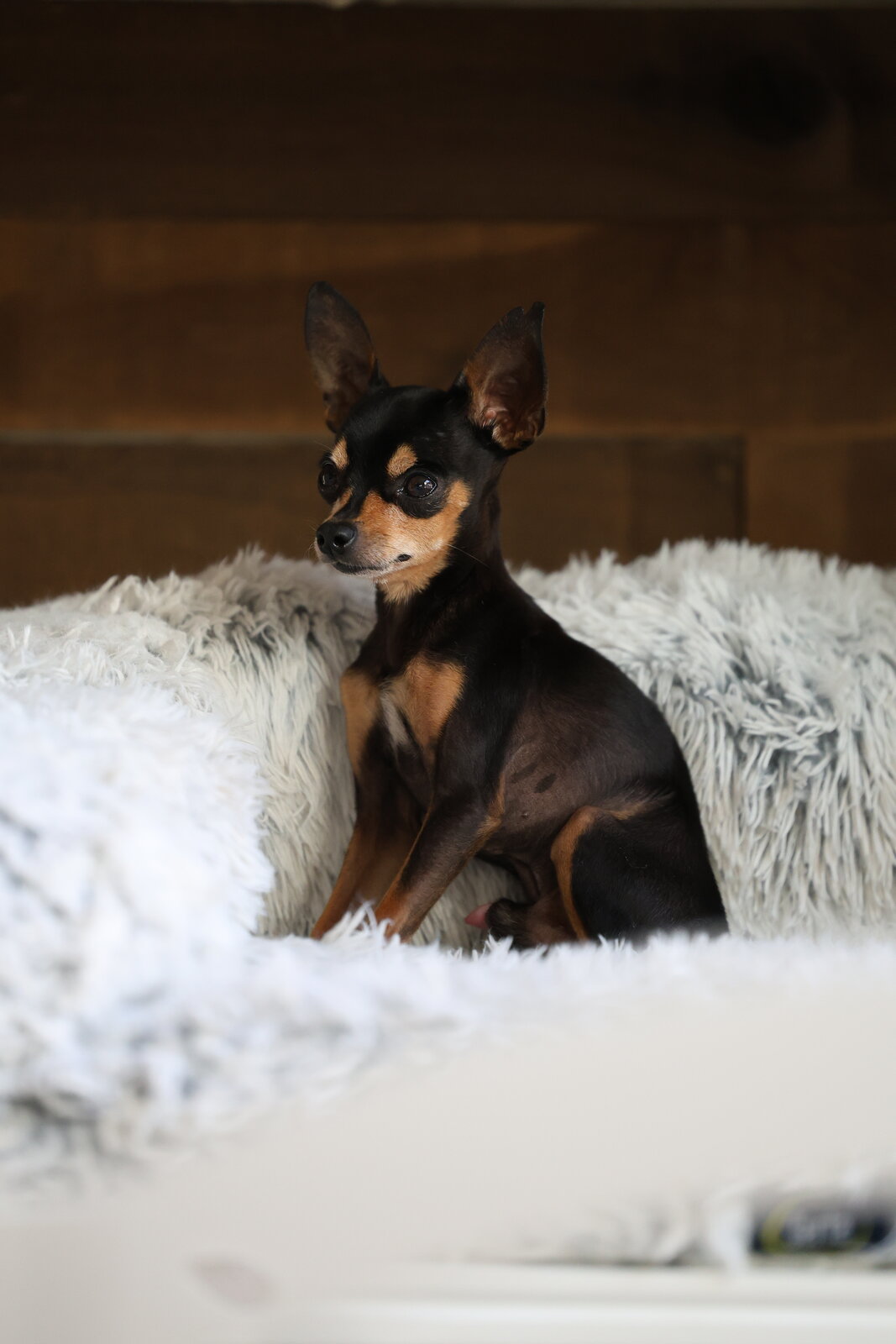
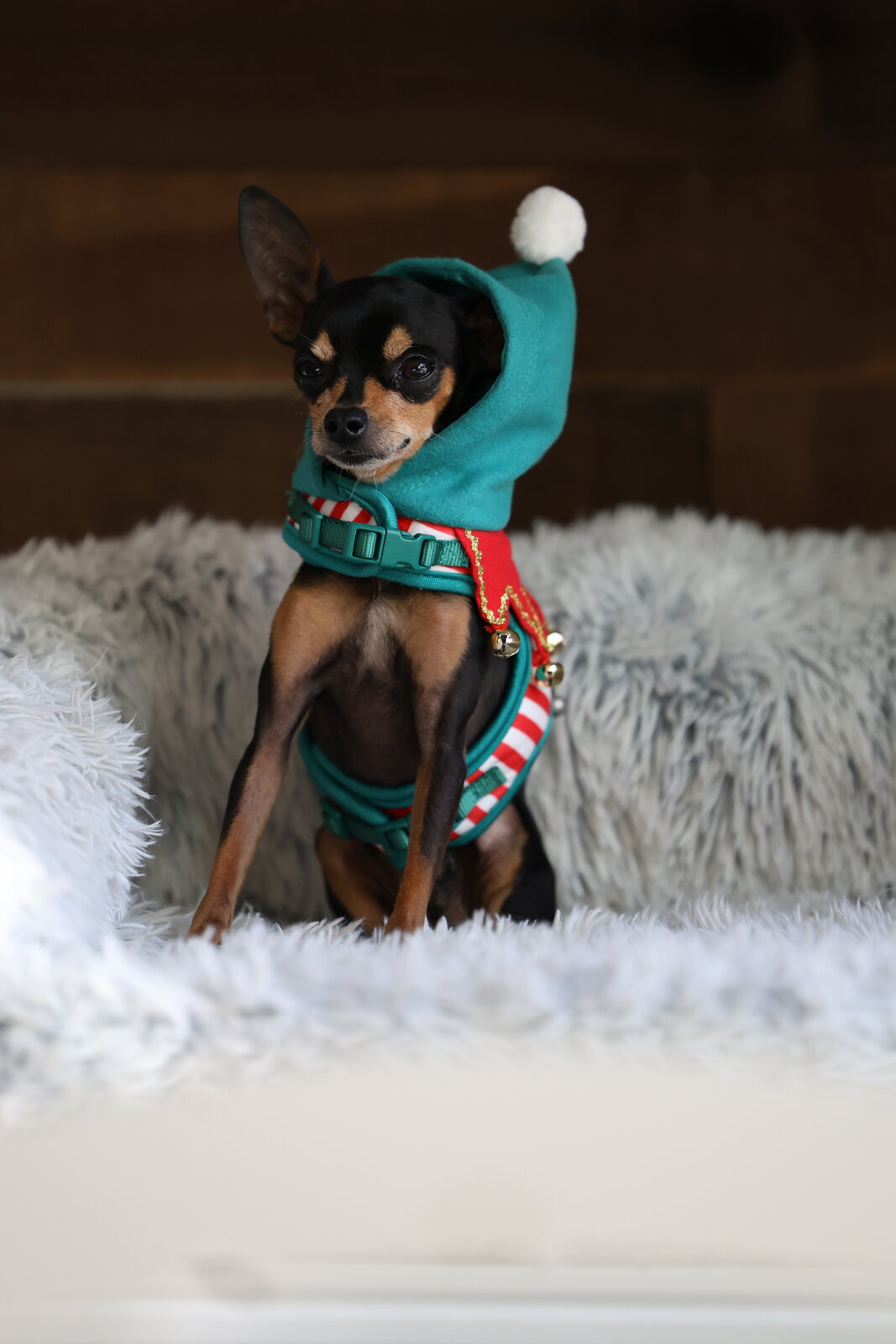
Before the Puppy Arrives: A Tiny-Dog Safety Sweep
Set up one cozy, enclosed home base — a playpen or a gated corner with a soft bed, water, a pee pad and a couple of toys. A whole house is overwhelming for a tiny puppy; a small safe territory that gradually expands is perfect.
Think in inches, not feet. The main dangers for a toy puppy are heights and feet: no jumping off sofas or beds (their bones are still forming), and everyone in the family learns the "shuffle walk" — a Russian Toy puppy is small enough to be exactly where you are about to step. Hide cables, pick small objects off the floor, and if you have stairs, block them.
If you have children, teach them to play with the puppy only sitting on the floor. Most injuries to toy puppies come from well-meaning arms that drop a wriggling baby.
Feeding: Small Stomach, Steady Schedule
Keep the food your puppy already knows. We send every family home with the exact food the puppy has been eating — stay on it for at least the first two or three weeks. A new home is stress enough; a new diet on top of it is a recipe for an upset stomach.
Tiny puppies burn energy fast, so they eat small portions several times a day — three to four meals for a young puppy. The one danger every toy-breed owner must know is hypoglycemia: a sudden drop in blood sugar. A puppy that skipped a meal and then played hard can become lethargic, wobbly or glassy-eyed. If that ever happens, a little honey or sugar syrup on the gums and an immediate call to your vet is the rule. With regular meals it is easily prevented — in years of breeding we simply do not see it in puppies that eat on schedule.
The First Nights — and the First Weeks
The first two or three nights, expect some crying — your puppy just left mom and littermates for the first time. A warm bed next to yours, a soft blanket that smells of the old home (we always send one along) and a quiet, patient voice work better than any trick. Do not start a habit you do not want forever: if the puppy should not sleep in your bed as an adult, do not put him there on night one.
Keep the first week calm: no parades of guests, no dog parks, no long car trips. Let the puppy learn one thing — that this home and these people are safe. Vaccinations continue on the schedule we hand you, and until they are complete, the ground outside is off-limits.
And remember: you are never alone in this. Every Little Royal Hearts family has our lifetime support — when in doubt, message us first. We have seen it all, and we would much rather answer a "silly" question at 7 a.m. than have you worry.